
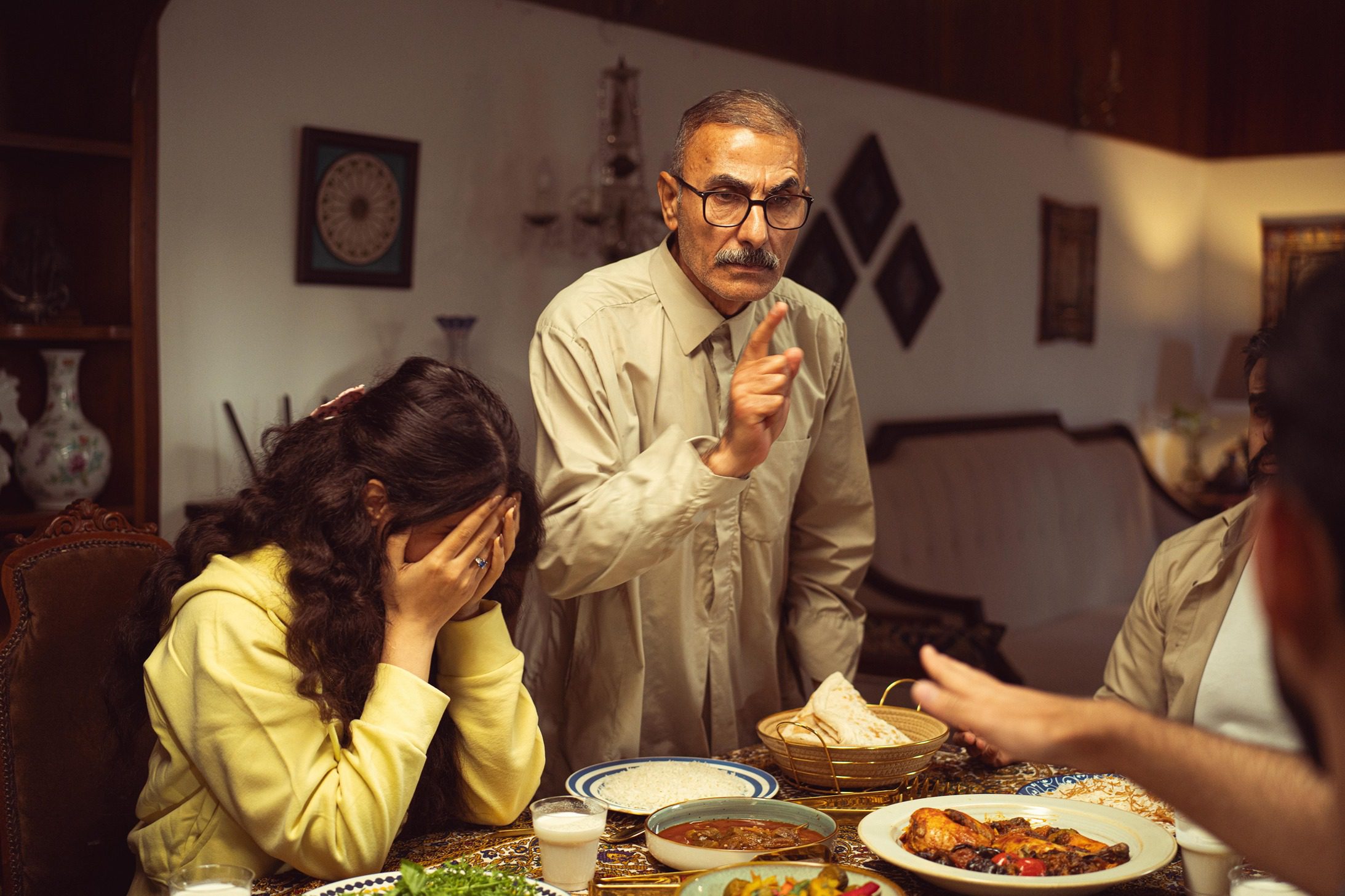
Disagreements are a normal part of family life. Parents will not always agree, and family members sometimes become frustrated with one another. Occasional conflict that is handled respectfully does not necessarily harm children.
However, ongoing or intense family conflict can affect children emotionally and behaviorally, especially when they are frequently exposed to tension, arguments, hostility, or instability at home. The effects can vary depending on the child’s age, personality, the type and severity of the conflict, and how adults handle disagreements.
Children do not need a conflict-free home. They do need to feel safe, secure, and confident that the adults in their lives can manage problems in healthy ways.
Key Takeaways
- Occasional disagreements are a normal part of family life, but ongoing or intense conflict can affect a child’s emotional well-being, behavior, relationships, and sense of safety.
- Children may respond to family conflict with anxiety, sadness, irritability, withdrawal, behavioral changes, or difficulty at school, and their reactions can vary depending on their age and circumstances.
- Parents can help protect children by keeping them out of adult conflicts, providing reassurance and stability, modeling healthy communication, and seeking family counseling when conflict becomes difficult to manage.
How Does Family Conflict Affect a Child’s Emotional Health?
Children often notice more than adults realize. Even when parents try not to discuss problems directly with their children, kids may notice changes in tone of voice, body language, routines, or how family members treat one another.
Frequent conflict can leave a child feeling worried, confused, angry, sad, or insecure. Some children may wonder whether they caused the problem or believe it is their responsibility to make things better. When conflict is unpredictable, children may become especially alert to changes in the home. They may listen for arguments, watch their parents’ moods, or worry about what might happen next. Over time, this stress can affect a child’s emotional well-being and sense of safety.
Can Family Conflict Cause Anxiety or Depression in Children?
Family conflict does not automatically cause anxiety or depression, but ongoing stress at home can contribute to emotional difficulties. A child experiencing anxiety may worry frequently, have difficulty relaxing, become fearful about separation, or constantly seek reassurance. Anxiety can also appear physically through headaches, stomachaches, sleep problems, or other complaints.
Depression in children does not always look like sadness. Some children may become irritable, angry, withdrawn, tired, or uninterested in activities they once enjoyed. Parents may also notice changes in appetite, sleep, friendships, school performance, or motivation. If these changes continue or begin interfering with a child’s daily life, professional support may be helpful.
How Can Family Conflict Affect a Child’s Behavior?
Children sometimes communicate emotional distress through their behavior rather than their words. A child who is struggling with family conflict may become more defiant, argumentative, aggressive, clingy, or emotional. Other children may become unusually quiet or withdrawn. Parents may notice more tantrums, difficulty following directions, problems at school, trouble concentrating, or changes in sleep.
Behavior can be especially confusing because adults may focus on correcting the behavior without recognizing the feelings underneath it. Sometimes a child’s behavior is their way of communicating, “Something doesn’t feel right, and I don’t know how to explain it.” Understanding what may be contributing to a behavior does not mean ignoring inappropriate behavior. Children still need appropriate limits and consequences, but they may also need help understanding and managing their emotions.
How Does Family Conflict Affect Children at Different Ages?
Children may respond differently depending on their age and developmental level. Young children may not understand why adults are arguing. They may become clingy, have more tantrums, experience sleep problems, or return to behaviors they had previously outgrown. School-age children may become distracted, worried, irritable, or have difficulty concentrating at school. They may also blame themselves for family problems or believe they need to fix them.
Teenagers may respond by withdrawing, spending less time with family, becoming angry, or acting out. Some teens may become overly responsible and feel that they need to take care of younger siblings or emotionally support a parent.
Regardless of age, children generally benefit from reassurance that adult problems are not their responsibility.
Can Family Conflict Affect a Child’s Relationships?
Children learn a great deal about relationships by watching the adults around them. When children see adults disagree respectfully, listen to one another, apologize, and solve problems, they learn that conflict can be a normal and manageable part of relationships. When children regularly witness yelling, insults, threats, avoidance, or hostility, they may develop different ideas about how relationships work.
Some children may become uncomfortable with conflict and avoid disagreements completely. Others may repeat the communication patterns they have observed. Parents can help by modeling respectful communication and showing children that relationships can recover after disagreements.
How Can Parents Protect Children From the Effects of Family Conflict?
Parents cannot prevent every disagreement, but they can take steps to reduce the impact conflict has on their children. Whenever possible, avoid involving children in adult disagreements or asking them to choose sides. Children should not be used as messengers between parents or expected to provide emotional support for adult problems. Parents can also reassure children that the conflict is not their fault and that they are loved and cared for.
Maintaining predictable routines can be especially helpful during stressful periods. Regular meals, bedtime routines, school schedules, and family activities can give children a sense of stability when other parts of life feel uncertain. Children can also benefit from seeing adults repair relationships after disagreements. Saying, “I was frustrated earlier, but we talked about it and worked things out,” can reassure a child while also modeling healthy conflict resolution.
When Should Families Consider Counseling?
Families may want to consider counseling when conflict becomes frequent, intense, or difficult to resolve. Professional support may also be helpful when a child begins showing significant changes in mood, behavior, sleep, school performance, friendships, or relationships with family members.
You do not have to wait until your family reaches a crisis. Counseling can be helpful when communication simply is not working or when family members feel stuck in the same patterns.
If conflict includes violence, threats, intimidation, or abuse, safety should be the priority. In these situations, the appropriate support may differ from traditional family counseling.
How Can Family Therapy Help Children and Families Experiencing Conflict?
Family therapy provides a supportive environment where family members can better understand one another and learn healthier ways to communicate. A therapist can help families identify patterns that contribute to conflict and develop strategies for listening, expressing emotions, solving problems, and setting healthy boundaries.
Family therapy can also give children an age-appropriate opportunity to express how family stress is affecting them. Sometimes children have feelings or worries that they have difficulty sharing at home because they do not want to upset their parents.
Depending on the family’s needs, therapy may involve the entire family, parents alone, the child individually, or a combination of approaches. The goal is not to create a family that never disagrees. Instead, therapy can help families learn how to handle disagreements in healthier ways while strengthening connection and helping children feel safe and supported.
Conclusion
Some conflict is normal in every family. What matters is how often conflict occurs, how intense it becomes, and how family members respond to one another. Ongoing family conflict can affect a child’s emotional health, behavior, relationships, and sense of security. At the same time, parents have many opportunities to reduce these effects by providing reassurance, maintaining stability, communicating respectfully, and keeping children out of adult disagreements.
At Birmingham Anxiety & Trauma Therapy, we help children, teens, parents, and families work through difficult emotions, improve communication, develop healthier relationships, and create a more supportive home environment. If family conflict is affecting your child or your relationships at home, Birmingham Anxiety & Trauma Therapy can help your family find healthier ways to communicate, connect, and move forward together.