
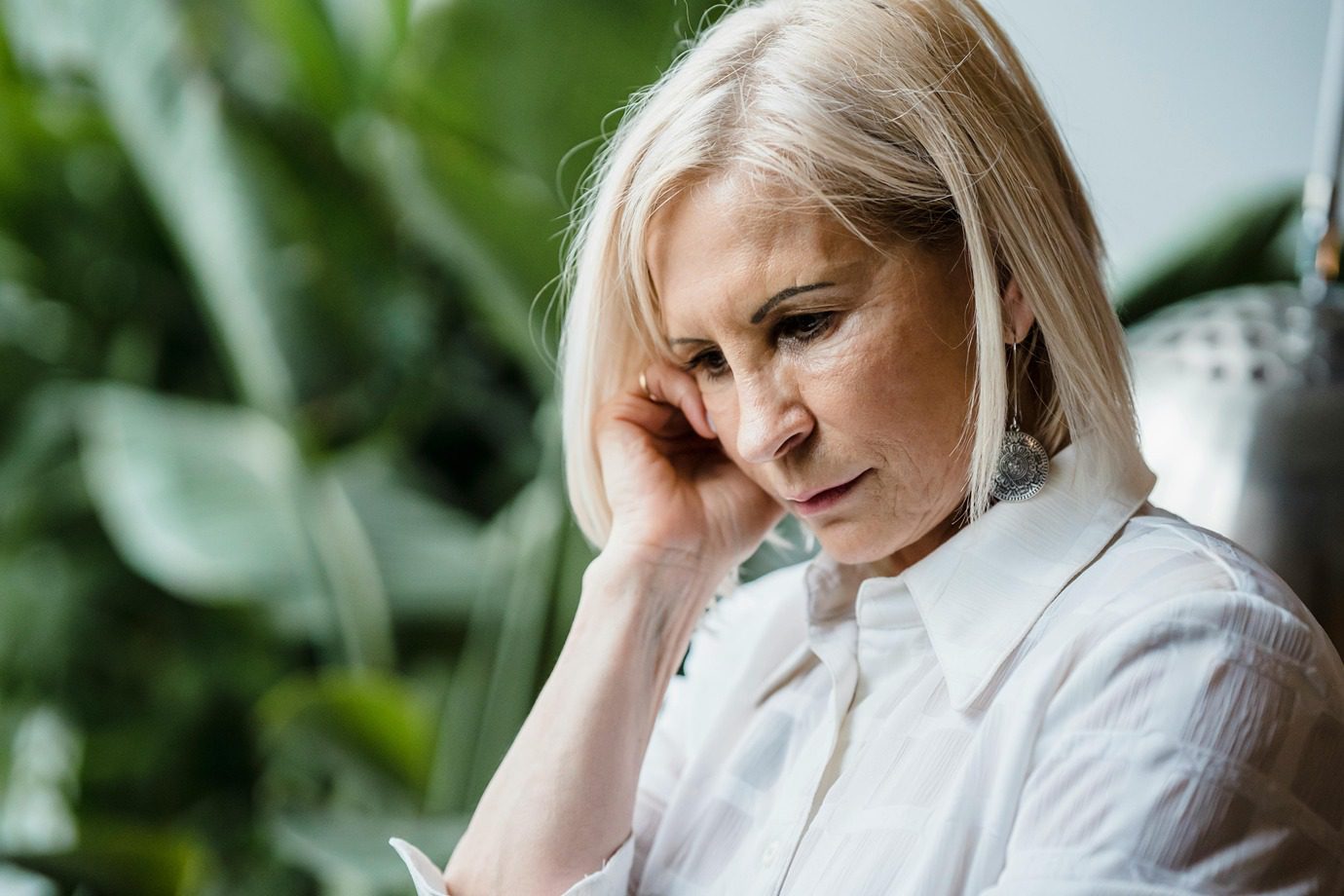
Menopause can significantly affect emotional and mental health, including increasing anxiety for many women. Hormonal changes that occur during perimenopause and menopause can impact mood, sleep, stress response, and emotional regulation. While menopause is a natural stage of life, the emotional symptoms can feel confusing, intense, and overwhelming for some women — especially if they have never struggled with anxiety before.
Key Takeaways
- Hormonal changes during perimenopause and menopause can affect mood, sleep, stress response, and emotional regulation, making anxiety more common for many women.
- Menopause-related anxiety can appear both emotionally and physically, sometimes causing symptoms such as racing thoughts, panic attacks, irritability, sleep problems, and feeling constantly overwhelmed.
- Supportive strategies such as therapy, stress management, improved sleep, and medical care can help women manage symptoms and navigate menopause with greater emotional balance and resilience.
How Does Menopause Affect the Body?
Menopause occurs when the body begins producing lower levels of hormones such as estrogen and progesterone. These hormonal shifts affect much more than reproductive health. They also influence brain chemistry, sleep regulation, energy levels, temperature regulation, and the body’s stress response system. Perimenopause, the transition leading up to menopause, can last several years and often involves fluctuating hormone levels. During this time, women may experience:
- Hot flashes
- Night sweats
- Sleep disruption
- Fatigue
- Mood swings
- Brain fog
- Changes in energy and motivation
- Increased emotional sensitivity
Because hormones help regulate neurotransmitters related to mood and stress, these physical changes can also increase feelings of anxiety and emotional overwhelm.
What Are Common Anxiety Symptoms During Menopause?
Anxiety during menopause can appear both emotionally and physically. Some women experience mild worry or tension, while others develop panic attacks or persistent anxiety symptoms. Common symptoms may include:
- Racing thoughts
- Feeling constantly “on edge”
- Increased worry or fear
- Irritability
- Panic attacks
- Trouble sleeping
- Difficulty concentrating
- Heart palpitations
- Muscle tension
- Feeling emotionally overwhelmed
- Restlessness
- Shortness of breath
- Increased sensitivity to stress
For some women, these symptoms may appear suddenly and feel unfamiliar or frightening.
Why Can Symptoms Feel So Intense?
Menopause-related anxiety can feel especially intense because several factors often happen simultaneously. Hormonal fluctuations can increase emotional sensitivity while sleep disruption, physical symptoms, aging concerns, caregiving responsibilities, relationship stress, and life transitions add additional emotional strain.
When the nervous system is already stressed, even small stressors can feel magnified. Lack of sleep alone can significantly worsen anxiety, emotional reactivity, and the body’s ability to cope with stress.
Many women also become anxious about the symptoms themselves, especially when physical sensations such as heart palpitations, dizziness, or panic feel alarming or unpredictable.
Is It Menopause or an Anxiety Disorder?
Menopause and anxiety disorders can share many overlapping symptoms, which can make it difficult to tell the difference. Hormonal changes can trigger anxiety symptoms even in women who have never previously struggled with anxiety. For others, menopause may worsen an existing anxiety disorder. Both menopause and anxiety can involve:
- Rapid heartbeat
- Sleep problems
- Irritability
- Difficulty concentrating
- Restlessness
- Fatigue
- Excessive worry
- Feeling emotionally overwhelmed
In some cases, anxiety symptoms are primarily connected to hormonal fluctuations. In others, underlying anxiety, trauma, chronic stress, or unresolved emotional struggles may also contribute.
A medical and mental health evaluation can help determine what may be contributing to symptoms and what type of support may be most helpful.
How To Manage Menopause Symptoms
Managing menopause-related anxiety often involves addressing both physical and emotional well-being. Every woman’s experience is different, and treatment approaches may vary depending on symptoms and overall health. Helpful strategies may include:
- Prioritizing sleep and rest
- Regular physical activity
- Stress management techniques
- Reducing caffeine and alcohol intake
- Maintaining consistent routines
- Practicing mindfulness or grounding exercises
- Improving emotional support systems
- Hormone-related medical consultation when appropriate
- Therapy to address anxiety, stress, or emotional overwhelm
Women’s therapy can be especially helpful in navigating the emotional challenges that often accompany menopause, including identity changes, relationship stress, aging concerns, caregiving responsibilities, grief, or burnout.
When To Seek Help
It is important to seek support when anxiety symptoms begin interfering with daily life, relationships, work, sleep, or overall well-being. Women do not need to “push through” overwhelming symptoms alone. It may be helpful to seek professional support when:
- Anxiety feels constant or severe
- Panic attacks are occurring
- Sleep disruption is worsening mental health
- Mood swings feel difficult to manage
- Physical symptoms are creating significant distress
- Emotional exhaustion or burnout are increasing
- Symptoms are affecting relationships or functioning
- Feelings of hopelessness or depression develop
Conclusion
Both medical providers and mental health professionals can help women better understand and manage menopause-related symptoms. Menopause can increase anxiety due to hormonal changes that affect mood, stress response, sleep, and emotional regulation. While these symptoms are common, they can feel confusing, intense, and overwhelming — particularly when physical and emotional changes happen at the same time.
The good news is that support is available. Understanding the connection between menopause and anxiety can help women feel less alone and more empowered to seek the care, support, and coping strategies they need. With the right support, women can navigate this stage of life with greater balance, emotional resilience, and well-being.