
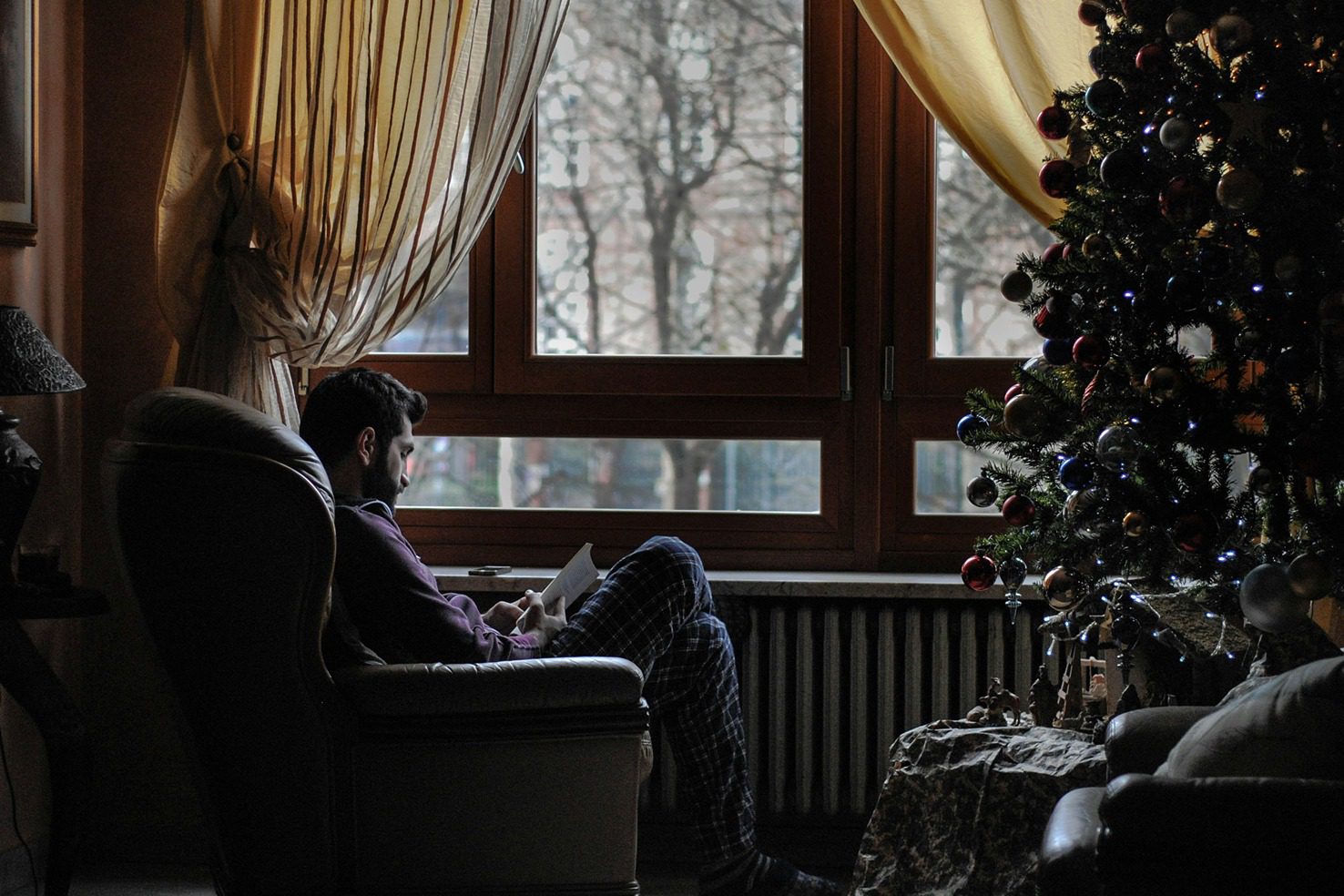
After the decorations come down and routines return, many people are surprised by a lingering sense of emptiness or sadness. After-holiday loneliness is common, and it can show up even if the holidays themselves were joyful. The shift from heightened connection and activity back into everyday life can leave people feeling disconnected, low, or emotionally flat. The good news is that there are healthy, effective ways to cope—and you are not alone in feeling this way.
Key Takeaways
- After-holiday loneliness is a common emotional response to the sudden shift from connection and activity back to everyday routines.
- Small, intentional actions—like creating structure, nurturing low-pressure social connection, moving your body, and limiting comparison—can ease the transition.
- If feelings of emptiness, sadness, or isolation linger, therapy can provide support, clarity, and practical tools to help you reconnect and move forward with steadiness.
What Does After-Holiday Loneliness Look Like?
After-holiday loneliness does not always look like being physically alone. It often shows up as:
- A sense of emptiness or emotional letdown
- Feeling disconnected from others, even when surrounded by people
- Low motivation or energy after the holidays end
- Increased sadness, tearfulness, or irritability
- Missing loved ones, traditions, or the structure the holidays provided
For some, this feeling passes quickly. For others, it lingers and can blend into anxiety or depression if left unaddressed.
Why Do We Feel Lonely During and After the Holidays?
The holidays create a temporary rhythm of connection, anticipation, and structure. When that rhythm ends, the contrast can feel jarring. Several factors contribute to post-holiday loneliness:
- Loss of structure: Holiday events, time off, and routines suddenly stop.
- Heightened expectations: The pressure to feel happy or connected can intensify feelings of disappointment.
- Relationship reminders: Family dynamics, grief, or distance from loved ones may feel more noticeable afterward.
- Emotional exhaustion: Socializing, travel, and obligations can leave the nervous system depleted.
- Return to reality: Work, responsibilities, and stressors return without the buffering effect of holiday distractions.
How to Deal with Loneliness After the Holidays
Loneliness after the holidays is often less about being alone and more about transition and emotional contrast. There are a few things that will help with after-holiday loneliness.
Normalize the Feeling
First, remind yourself that after-holiday loneliness is common. Experiencing it does not mean something is wrong with you or your relationships. Naming the feeling often reduces its intensity. Creating small, predictable routines—morning walks, weekly check-ins with a friend, or scheduled self-care—can help stabilize mood and provide a sense of grounding. Making connections does not have to be big or festive. A coffee with a friend, a phone call, or attending a class or group activity can gently restore connection without overwhelming your energy.
Move Your Body
Physical movement helps regulate mood and the nervous system. Even short walks, stretching, or light exercise can reduce feelings of isolation and emotional heaviness. And although it may be difficult to admit, social media often highlights the holiday while leaving out the emotional aftermath. Reducing exposure can help prevent unnecessary comparison and feelings of disconnection. Finally, for many, the holidays stir grief, family pain, or unmet expectations. Giving yourself permission to feel sadness—without judgment—can be an important step toward healing.
Seek Professional Support
Therapy provides a consistent, supportive space to process loneliness, transitions, grief, and relationship challenges. A therapist can help you:
- Understand patterns of loneliness or emotional withdrawal
- Develop coping strategies that fit your life
- Address underlying anxiety or depression
- Rebuild a sense of connection and meaning beyond the holidays
Conclusion
Therapy is not just for crisis—it is especially helpful during emotional transitions like the post-holiday period.
After-holiday loneliness is a natural response to the sudden shift from connection and anticipation back into everyday life. While it can feel unsettling, it is also an opportunity to slow down, reconnect intentionally, and care for your emotional well-being. With compassion, structure, and support—whether through relationships, routines, or therapy—this season of loneliness does not have to define the months ahead.
If after-holiday loneliness feels heavy, persistent, or hard to manage on your own, support is available. At BATT, our therapists offer a warm, nonjudgmental space to explore what you are experiencing and develop coping strategies that support long-term emotional health. You are welcome to contact BATT with questions or to schedule a consultation to see how therapy may help during this transition.